

We’ve all been there, glancing at a loading spinner right when a bonus round is about to start, or waiting critical seconds until the reels stop https://corgibet-casino.ca/. At Corgibet Casino we addressed that delay head-on. Over the past months our team removed every millisecond of waiting time between you and your favorite games. The result is a remarkable leap forward: launches are faster, transitions feel almost telepathic, and even live dealer streams start with minimal hiccups. This isn’t a surface-level tweak; it’s a re-engineering of how data travels from our servers to your screen. We identified exactly where lag lingers and made the type of infrastructure decisions that turn a good casino into a polished one. Fast loading isn’t a luxury anymore. It’s the baseline we’ve built for every player who plays.
The need for speed in Casino Gaming Online
As you spin a slot or place a blackjack bet, your brain handles the outcome partly by the pace of the game. Even a tiny lag can break immersion, making gameplay feel clunky rather than thrilling. We’ve studied session metrics across many player hours, and the pattern is clear: speedier loads correlate directly with more prolonged and rewarding gameplay. It’s not just about impatience; it concerns trust. A game that loads immediately signals reliability. From mobile connections to fiber connections, expectations have risen, and the industry was forced to keep pace. We realized that providing speed means valuing your time and your device’s capabilities, so we embraced a philosophy of “zero acceptable delay” for everything from browsing the lobby to activating in-game features.
Behind the scenes, online casinos often handle massive media assets: high‑definition animations, real‑time odds calculations, and safe wallet transactions. Each component adds potential lag if the delivery chain isn’t optimized. Our initial reviews showed that many delays came not from the game engines themselves, but from handshakes between different systems. We resolved to treat speed as a key attribute, not an secondary consideration. This meant reconsidering how we collaborate with game studios, how we store popular titles, and how we set up the platform for traffic spikes. The goal was simple: make the waiting screen disappear so you can get right into the entertainment. When each second matters, a fast casino seems more vibrant.
Revamped Mobile Performance from the Ground Up
Mobile play is the core of modern gaming, and we recognized that acceleration had to originate with touchscreens. Our previous mobile experience was good, but we sought instant. We redesigned the mobile web app with a progressive-first philosophy, using streamlined code that runs smoothly on mid‑range phones as well as flagships. Animations were rewritten to use hardware acceleration, meaning the GPU processes visual transitions instead of the main processor, preserving both frame rates and battery life strong. The navigation shell is now a simplified layer that loads in under a second, and after that, switching between slots, tables, and live games takes place with a single tap and no full‑page reloads.
We also focused on mobile network quirks. On 4G and 5G, inconsistent signal strength can lead to a game to stall while reconnecting. Our new mobile stack incorporates a reliable resume engine that protects your game state during brief network drops, so a two‑second tunnel interruption won’t kick you back to the lobby. Touch targets were optimized for thumb‑friendly access, and the entire UI was reevaluated on hundreds of real device profiles. The upshot is a mobile casino that matches the way you actually use your phone: on the go, often with one hand, and increasingly impatient with anything that feels slow. We transformed mobile loading from a compromise into a demonstration of what fast really means.
Dynamic Caching That Adjusts to Play Patterns
Static caching is effective until player behavior evolves. We built a instant caching engine that monitors aggregate activity and forecasts which games are about to rise. If a new slot release is climbing the charts or a blackjack tournament is launching, our system prepares related assets onto the fastest storage possible, slashing cold‑start times. This adaptive layer adapts from timezone rhythms, promotional campaigns, and even weather events that traditionally spike certain game categories. The engine never keeps sensitive personal data; it simply arranges game files so that what you need is already waiting in the fastest possible memory tier.
For specific players, we introduced a lightweight session cache that remembers your preferences. After your first game load of the day, the framework that launched it stays ready, so moving to another title from the same studio happens almost quickly. We also cache your audio settings, bet history panel, and favorite view modes so the experience feels seamless rather than started from scratch each time. This personal tuning isn’t about surveillance; it’s about reducing the mechanical work your device does repeatedly. Real‑time caching turns our platform into a system that expects you, not one that reacts slowly to your commands.
Advanced Content Delivery for Instant Access

Even the best servers can’t overcome incorrectly delivered assets. We partnered with a leading content delivery network and tailored its rules specifically for interactive casino entertainment. Game thumbnails, rule sheets, and animation sprites now sit on edge caches spread across the globe, ensuring your request is served from the nearest available node rather than traveling to a central data center. This is why browsing our lobby feels more like flipping through a local photo album than waiting for downloads. We also introduced dynamic resource prioritization: the most critical visual elements load first, so the game appears playable while less essential assets stream in behind the scenes. You see reels and buttons, not a blank screen.
Another smart delivery trick we use is adaptive compression. High‑resolution slot symbols are delivered differently to a 5G device than to an older tablet on a slower connection, yet both players get a clear, quick experience. The system detects your device’s capabilities and serves an optimized package without you ever needing to toggle settings. For returning players, we use intelligent pre‑fetching; when you log in, the games you typically play start warming up in the background before you even click the icon. That gentle preparation often eliminates loading time entirely, turning repeat visits into a straight‑to‑the‑action affair. Smart delivery turns our entire catalogue into a friction‑free zone.
Enhancing Our Server Infrastructure
Once we determined where latency lived, we implemented aggressive moves on the hardware and networking side. We migrated core game‑serving operations to a distributed cluster of high‑performance machines placed at critical internet exchange points. This substantially reduces the physical distance your data must travel, cutting round‑trip time by up to forty percent in many regions. We also moved from reactive scaling to predictive elastic resources; our system now predicts usage patterns and spins up additional capacity just before peak hours, so you never feel a slowdown when the evening crowd logs in. These upgrades take place invisibly, but you notice them as instant lobby loads and tables that load without a countdown.
Alongside physical hardware, we updated the software stack that controls game sessions. Legacy protocols were replaced with modern, lightweight communication layers that support persistent connections, ensuring your device doesn’t need to reconnect itself to the server for every single request. This is particularly apparent in live casino games, where a stream of video, audio, and bet data must stay synchronized. Our new infrastructure also offers built‑in redundancy; if one node suffers a hiccup, traffic is switched in milliseconds so your session continues unbroken. By treating the server backbone as a living system that adapts with demand, we built a foundation that stays fast even as our game library grows.
Studio Partnerships That Focus On Speed
We are able to build a lightning‑fast lobby, but if a third‑party slot comes in bloated, the player still waits. That’s why we worked directly with our game studio partners to establish performance standards. Together we set maximum initial load budgets, applied streamlined coding practices, and developed shared testing environments where new releases are assessed for launch time before they ever go live. Studios that adopted this collaboration witnessed their games prioritized in our lobby, and that motivation created a ripple effect: developers began vying not just on graphics and math, but on how quickly their title springs to life.
For existing titles, we developed together a lightweight wrapper that removes unnecessary polyfills and outdated calls. Many classic games that used to take eight seconds now launch in under three, and they look identical. This type of optimization requires trust and technical dialogue, but the reward is a portfolio where speed is uniform regardless of provider. We provide anonymized performance data with studios so they can review real‑world latency metrics and constantly improve. The partnership approach guarantees that acceleration doesn’t stop at our doorstep; it flows through the entire ecosystem, making every spin and every hand feel top‑tier responsive.
The way We Detected the Bottlenecks
Before we could accelerate anything, we required to see exactly where time was being lost. Our engineering team ran synthetic tests from numerous global locations, simulating real player journeys: logging in, navigating the lobby, launching a game, and triggering a bonus buy. We uncovered that the longest waits often happened during the initial handshake between your browser and our content servers, particularly on mobile networks where latency varies wildly. Another bottleneck existed in the way static assets like sound files and symbol art were being requested one after another, creating a waterfall effect that introduced unnecessary seconds. These findings weren’t theory; they came from live monitoring tools that tracked performance down to the millisecond.
Listening to our players was just as vital. Support tickets and session feedback pointed out patterns: a specific provider’s games loaded slower during evening peaks, or the search bar took a beat too long to return results. We cross‑referenced those player reports with our telemetry and quickly spotted mismatches between server locations and player concentrations. The diagnosis phase showed us that speed optimization isn’t a one‑size fix. It requires balancing server placement, compression techniques, and even the order in which a game’s components are loaded. By treating speed as a measurable, improvable metric, we created a blueprint for action rather than theory.
Cutting down Friction Throughout Peak Traffic Hours
Each casino operator understands the stress test of a Friday evening or a major tournament weekend. In the past, these surges might cause lobby delays or longer bet confirmations. We handled peak‑hour friction with a multi‑layered strategy. This elastic infrastructure now scales horizontally within seconds, spreading the load across a reserve pool that kicks in before system health drops. We also introduced smart queuing for non‑critical requests, ensuring a background loyalty point update never competes with your spin command. And we optimized the authentication flow ensuring logged‑in sessions are validated through a fast token check instead of a full credentials handshake, trimming seconds off every action.
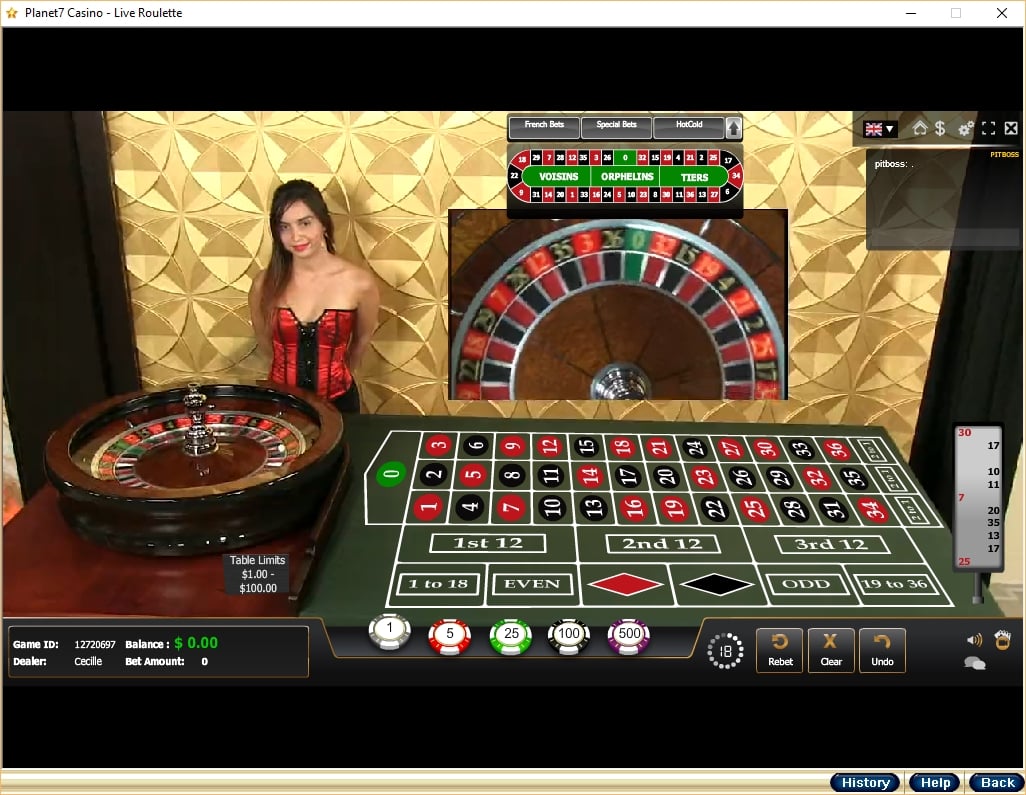
We also created a priority lane for real‑money gameplay. Regular browsers browsing the game library never degrade the experience for seated players as traffic shaping ensures that active bets and live dealer tables get the highest bandwidth allocation. Throughout recent record traffic days, average game‑load time stayed beneath two seconds and live stream latency actually improved compared to the previous quarter. Minimizing peak‑hour friction isn’t about limiting access; it involves intelligent resource distribution that acknowledges the urgency of every click. The result is a platform that operates smoothly even when the player count skyrockets, converting potential slowdowns into a non‑issue.
How Faster Loading Means for Your Gaming Experience
All this technical detail fulfills one purpose: to keep you in the moment. When a slot loads immediately, you can test more titles in a single session, uncover a new favorite, and build a play style that isn’t interrupted by buffer wheels. For table game enthusiasts, faster loading means rapid decisions stay tight; when you double down, the card appears without disorienting lag, keeping the rhythm natural. Live casino benefits hugely too, streams that start in a blink eliminate the awkward “waiting for the feed” phase, so you join the table already feeling part of the action. Speed doesn’t just save time; it protects the emotional flow of gaming.
We also see real benefits that add up over weeks and months. Faster loading drains less battery on mobile devices because the screen spends less time displaying a static loader and more time in active, optimized render states. Data usage stays efficient thanks to our adaptive delivery, so you can play comfortably even on capped plans. And because our systems recover gracefully from network wobbles, you can game with confidence in a moving car or a café with patchy Wi‑Fi. Every improvement we made ties back to giving you control over your time, so the casino disappears and the entertainment takes center stage.
Speed changes the relationship between you and the platform. A casino that responds instantly feels responsive in the human sense, it listens, reacts, and respects your attention. We’ve invested deeply to reach that standard, and we’ll keep pushing because the benchmark never stands still. The games you love now start with a tap and unfold without pause, letting you chase the thrill instead of the clock.
Comments are closed